
 By
By Solar Panel Removal and Reinstallation in 2026
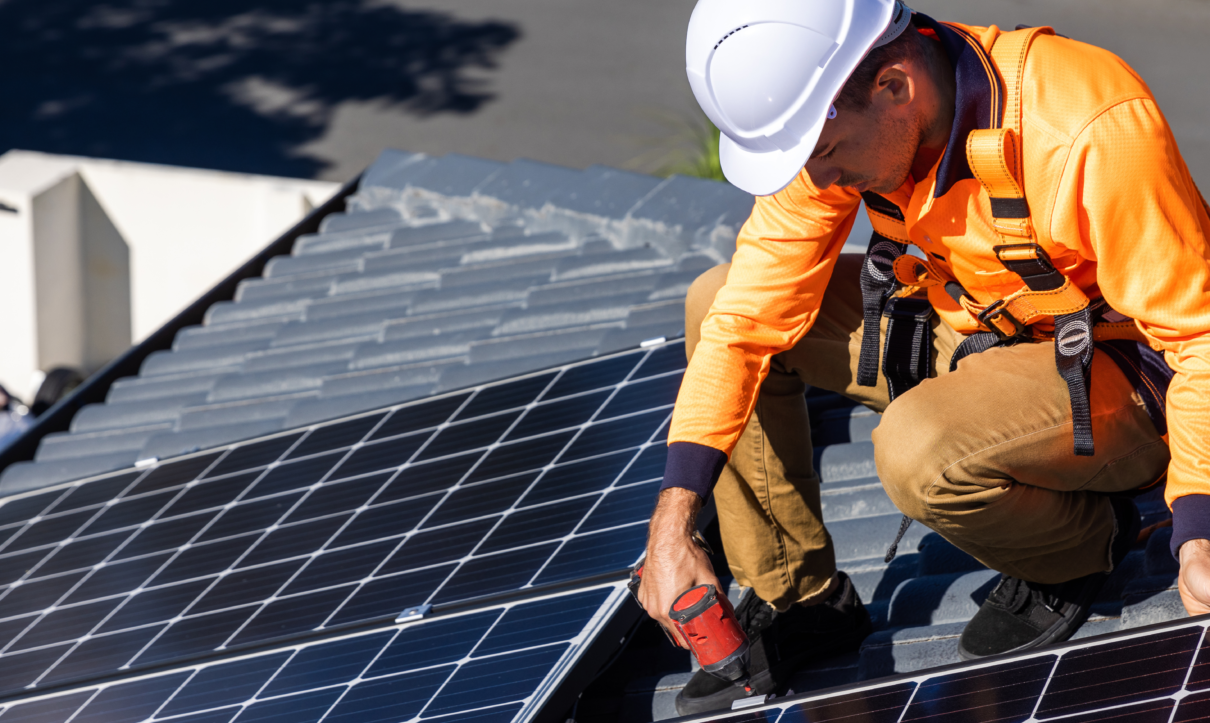
If you are replacing your roof, repairing storm damage, or upgrading roofing materials, you may need solar panel removal and reinstallation. Many people call this detach and reset. In 2026, doing it the right way matters more than ever because of permits, warranties, roof protection, and electrical safety. This guide explains how to prepare, the correct step by step process, and how to avoid common problems so your roof and your solar system stay protected.Why this process matters in 2026
Solar systems connect your roof, your electrical system, and often your utility requirements. When panels are removed and installed again, small mistakes can lead to leaks, damaged equipment, reduced power production, or warranty problems. The safest approach is planning ahead and using the correct steps.Common problems and how to avoid them
Warranty issues
Some manufacturers and finance or lease providers have rules about who can remove and reinstall the system and what documentation is required.- Confirm whether the system is owned, financed, or leased
- Review warranty and service requirements before scheduling work
- Ask your contractor what documentation will be provided after completion
Roof leaks after reinstall
Leaks usually happen when old attachments are reused, penetrations are not sealed correctly, or the reinstall does not follow the roof type requirements.- Replace worn or single use mounting parts when needed
- Use roof rated sealing methods appropriate for your roof material
- Ensure the roofer and solar crew coordinate flashing and waterproofing details
Electrical faults or low production
Incorrect shutdown, reconnection, or testing can cause ground faults, inverter errors, or reduced output.- Follow proper shutdown and restart procedures
- Label circuits and components during removal
- Test the system after reinstall to confirm normal production
Permit and inspection delays
Depending on your location and scope, permits or inspections may be required, especially when tied to roof replacement or major changes.- Ask early if your project requires permits or inspections
- Schedule solar reinstall after the roof work is completed and approved
- Keep photos and documentation for records and future resale
How to prepare before removal
Preparation is the easiest way to avoid delays and surprise costs.- Confirm system details such as panel count, inverter type, and mounting type
- Coordinate the timeline so removal happens before roofing begins and reinstall happens after the roof is ready
- Plan for downtime because the system will be offline during the project
- Protect the work area by clearing access around the home and providing safe parking space if possible
- Review roof material because shingle, tile, and metal roofs require different mounting methods
Step by step solar panel removal and reinstallation process
Step 1 System shutdown and safety
The crew shuts down the system safely and confirms the work area is secure. Disconnects are handled correctly and the system is prepared for removal.Step 2 Panel removal and labeling
Panels are removed carefully, labeled, and organized. This reduces the risk of mixing components and helps reinstall the system properly.Step 3 Mounting and attachments removal
Rails, feet, attachments, and related hardware are removed. Penetrations are addressed based on the roof scope and the next steps with the roofer.Step 4 Roof work is completed
The roofing company completes the roof replacement or repair. Solar reinstall should not begin until the roof surface is ready.Step 5 New mounting setup and waterproofing
The crew installs the mounting system based on your roof type, current requirements, and safe waterproofing practices.Step 6 Panel reinstall and alignment
Panels are reinstalled, aligned, secured properly, and checked for correct spacing and attachment.Step 7 Electrical reconnection and performance test
The system is reconnected and tested. The goal is to confirm the system starts correctly and returns to normal production.Checklist of questions to ask your contractor
- Do you specialize in solar panel removal and reinstallation for roof work
- How do you protect the roof from leaks during reinstall
- Do you replace mounting parts when required
- How do you store and protect panels during removal
- Will you test production after reinstall and confirm the system is operating correctly
- What documentation will I receive after completion
Final thoughts
In 2026, solar panel removal and reinstallation is a technical process that protects your roof, your electrical system, and your solar investment. The safest results come from preparation, correct sequencing with the roofer, and professional workmanship from removal through testing. If you want a professional evaluation and a clear plan for your project, request a quote and schedule coordination with your roofer.Homeowners should also review manufacturer and industry requirements before starting a removal project. Resources such as the National Electrical Code requirements, solar industry standards and best practices, and manufacturer warranty documentation like the Tesla solar panel warranty requirements can help avoid compliance and warranty issues.
Request a quote: RemovalReinstall.com